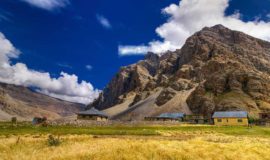
About Ladakh
Ladakh is a region administered by India as a union territory and constitutes a part of the larger Kashmir region, which has been the subject of dispute between India, Pakistan, and China since 1947.
Destinations in Ladakh
Leh: Leh is the joint capital and largest town of the union territory of Ladakh in India. Leh, located in the Leh district, was also the historical capital of the Kingdom of Ladakh, the seat of which was in the Leh Palace, the former residence of the royal family of Ladakh, built in the same style and about the same time as the Potala Palace in Tibet. Leh is at an altitude of 3,524 m (11,562 ft) and is connected via National Highway 1 to Srinagar in the southwest and to Manali in the south via the Leh-Manali Highway.
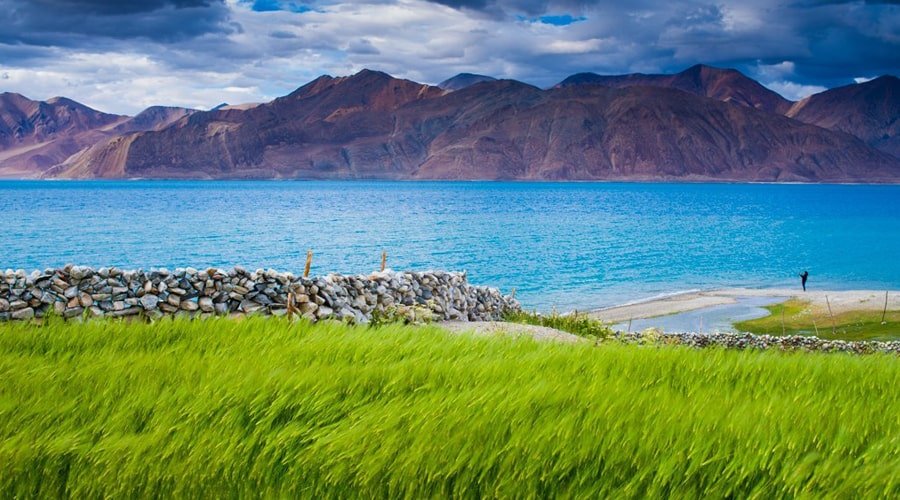
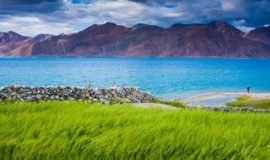
Pangong Tso: Pangong Tso or Pangong Lake is an endorheic lake spanning eastern Ladakh and West Tibet situated at an elevation of 4,225 m. It is 134 km long and divided into five sub lakes, called Pangong Tso, Tso Nyak, Rum Tso, and Nyak Tso.
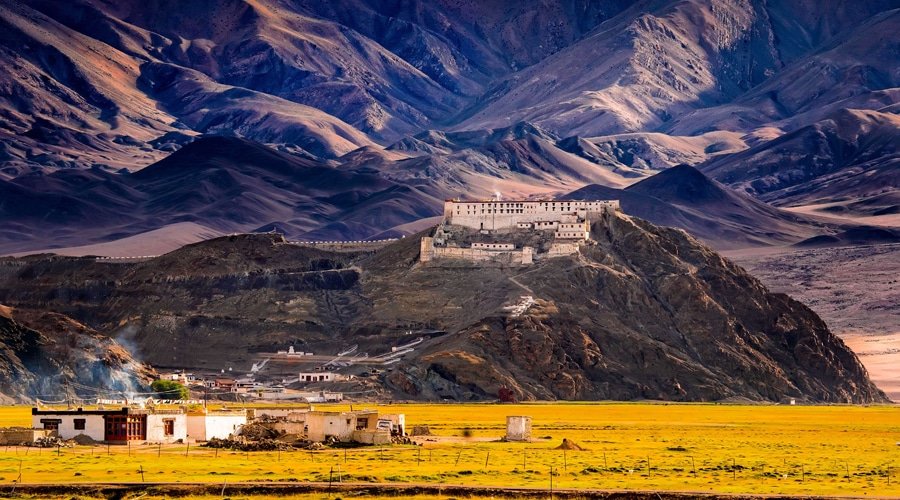
Thiksey Monastery: Thikse Gompa or Thikse Monastery is a gompa affiliated with the Gelug sect of Tibetan Buddhism. It is located on top of a hill in Thiksey approximately 19 kilometers east of Leh in Ladakh, India.
Khardung La: Khardung La is a mountain pass in the Leh district of the Indian union territory of Ladakh. The local pronunciation is "Khardong La" or "Khardzong La" but, as with most names in Ladakh, the romanized spelling varies. The pass on the Ladakh Range is north of Leh and is the gateway to the Shyok and Nubra valleys.
Markha: The Markha River is a river in Ladakh, India. It is a tributary of the Zanskar River and starts at the junction of the Langtang Chu and Nimaling Chu. Villages along the river valley include Skiu, Markha, Umlung and Hangkar. The Markha River lies within the Hemis National Park.
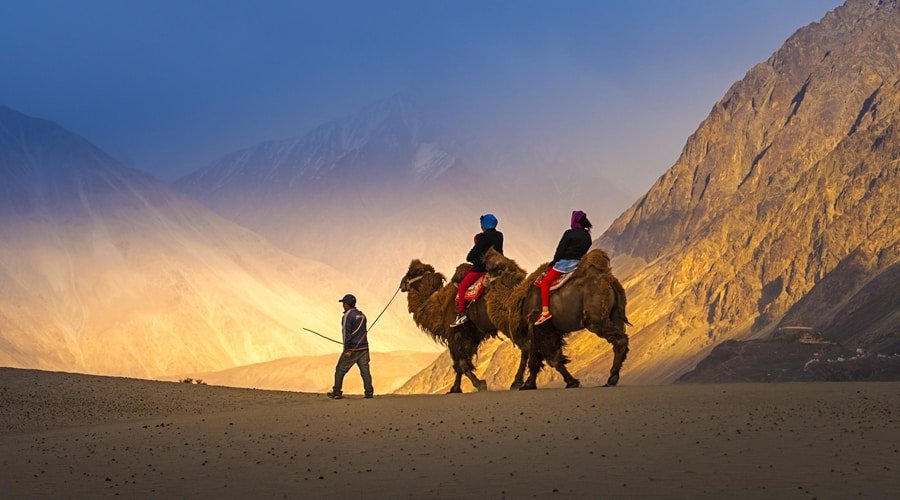
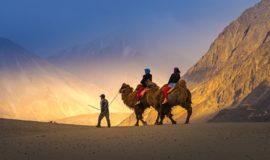
Nubra Valley: Nubra, also called Dumra, is a historical region of Ladakh, that is currently administered as a subdivision and a tehsil in the Leh district. Its inhabited areas form a tri-armed valley cut by the Nubra and Shyok rivers. Its Tibetan name Dumra means a "valley of flowers".
Tso Moriri: Tso Moriri or Lake Moriri or "Mountain Lake", is a lake in the Changthang Plateau in Ladakh in Northern India. The lake and surrounding area are protected by the Tso Moriri Wetland Conservation Reserve. The lake is at an altitude of 4,522 m.
Hemis National Park: Hemis National Park is a high-altitude national park in Ladakh, India. Globally famous for its snow leopards, it is believed to have the highest density of them in any protected area in the world.
Diskit Gompa: Diskit Monastery also known as Deskit Gompa or Diskit Gompa is the oldest and largest Buddhist monastery in the Nubra Valley of Ladakh, northern India. It belongs to the Gelugpa sect of Tibetan Buddhism. It was founded by Changzem Tserab Zangpo, a disciple of Tsong Khapa, founder of Gelugpa, in the 14th century.
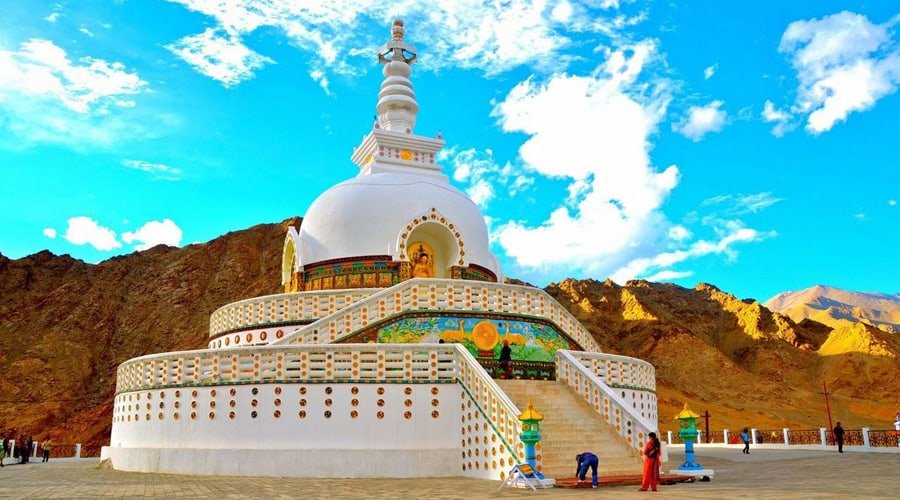
Shanti Stupa: Shanti Stupa is a Buddhist white-domed stupa on a hilltop in Chanspa, Leh district, Ladakh, in north India. It was built in 1991 by Japanese Buddhist Bhikshu, Gyomyo Nakamura, and part of the Peace Pagoda mission. The Shanti Stupa holds the relics of the Buddha at its base, enshrined by the 14th Dalai Lama.
Leh Palace: Leh Palace also known as Lachen Palkar Palace is a former royal palace overlooking the town of Leh, Ladakh, in the Indian Himalayas. It was constructed circa 1600 by Sengge Namgyal.
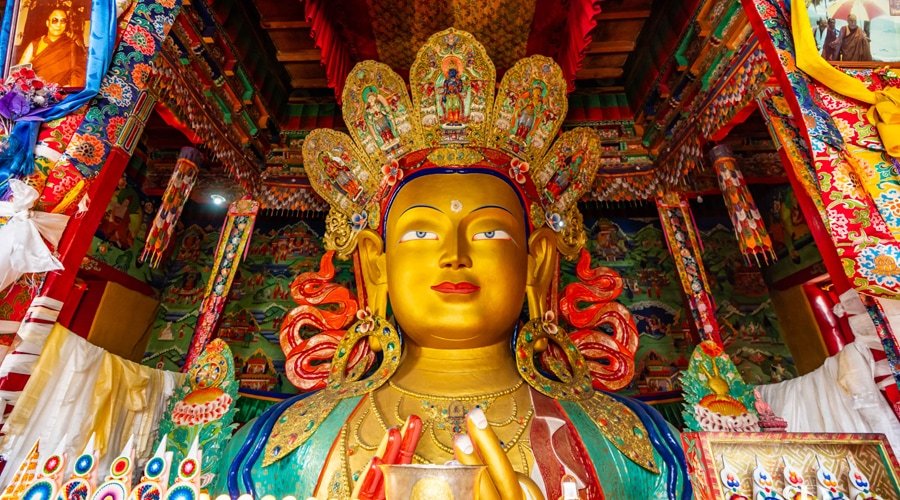
Namgyal Tsemo: Namgyal Tsemo Monastery or Namgyal Tsemo Gompa is a Buddhist monastery in Leh district, Ladakh, northern India. Founded in 1430 by King Tashi Namgyal of Ladakh, it has a three-story high gold statue of Maitreya Buddha and ancient manuscripts and frescoes. It is situated near Tsemo Castle.
Magnetic Hill: Magnet Hill is a "Cyclops hill" located near Leh in Ladakh, India. The layout of the area and surrounding slopes create the optical illusion of a hill. The hill road is actually a downhill road. Objects and cars on the hill road may appear to roll uphill in defiance of gravity when they are, in fact, rolling downhill.
Alchi: Alchi is a village in the Leh district of Ladakh, India. It is located in the Likir tehsil, on the banks of the Indus River 70 km downstream from the capital Leh. Unlike the other gompas in Ladakh, Alchi is situated on lowland, not on a hilltop.
Zanskar: Zanskar, Zahar or Zangskar, is a tehsil of the Kargil district, which lies in the Indian union territory of Ladakh. The administrative center is Padum. Zanskar, together with the neighboring region of Ladakh, was briefly a part of the kingdom of Guge in Western Tibet.
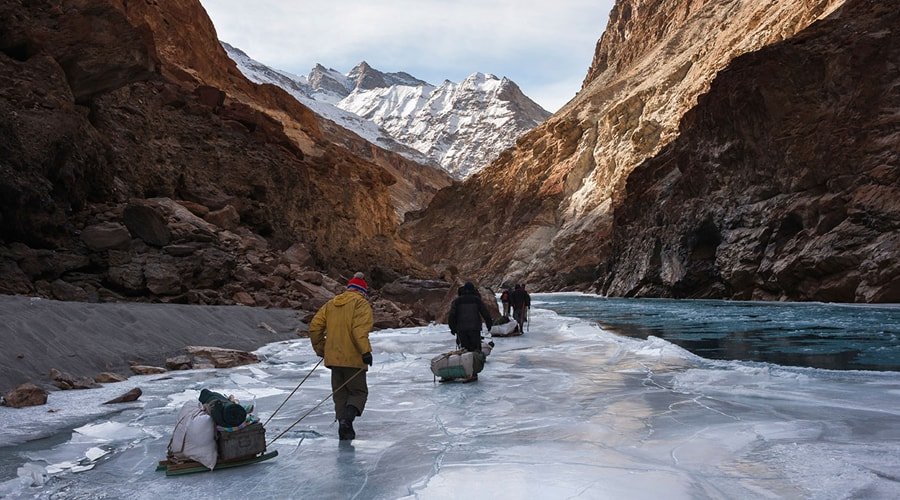
Chadar Trek: The Chadar Trek or the Zanskar Gorge trek is a winter trail over the frozen Zanskar River, which lies in the Indian union territory of Ladakh. It is traditionally the only means of travel in the area during the harsh winter months. The trail has become popular with foreign adventure tourists.
When to Visit Leh, Ladakh
Summers in Ladakh (June- September) are truly beautiful with moderate temperatures and a hospitable environment for the tourists.
Can tourists go to Ladakh?
Leh Ladakh is open for tourists and tourists can still visit major tourist attractions of Ladakh like Pangong Lake, Changla pass, Khardungla pass, Nubra, Valley, Sham valley (Sangam, magnetic hill, etc) after obtaining the permit.
What permits are required for Leh Ladakh?
You only need a Beyond Rohtang Pass permit of Rs 50 to travel to Leh Ladakh. The other permit of Rs 500 is required by tourists who are traveling only to Rohtang Pass for tourism purposes.
Is Ladakh safe for couples?
Yes, Ladakh is very safe for couples. You will find plenty of couples traveling to almost every area of Ladakh by car, motorcycle, and even public transport. As long as you yourself do not take any unnecessary risks, you are perfectly safe.
How long do you need in Ladakh?
How many days are best for the Ladakh holiday? A 7 to 10 days trip is fine for Ladakh as you would be able to see a lot of places. But if you wish to do a trip that isn't full of travel then 15 days are perfect.
Which month is best for Ladakh?
The Best time to visit Ladakh is during the summer season from the month of April to July during this time temperature is between 15 to 30 Degree Celsius. Ladakh is known for its extremely low temperatures almost all through the year.
How can I get to Ladakh?
The easiest and best way to travel to Ladakh is to take a flight. There are a number of flights flying to Ladakh during the peak season and also during the offseason. But there might be changes in the flights due to the ongoing coronavirus pandemic. The nearest airport is Kushok Bakula Rimpochee Airport located in Leh.